
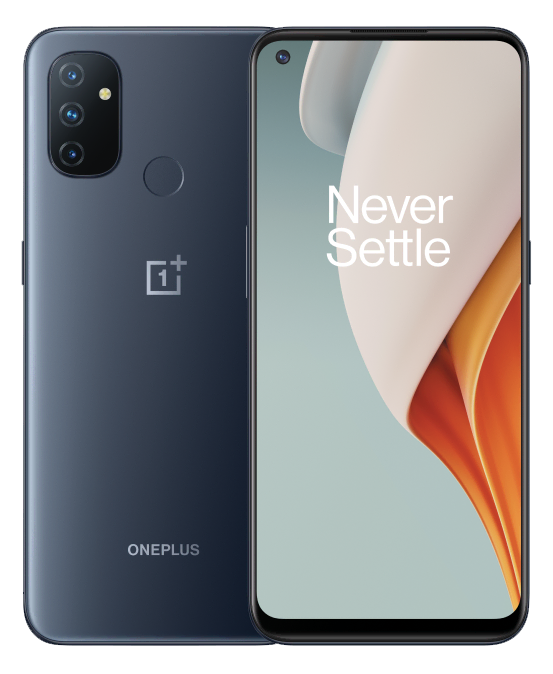


Five great reasons to unlock your Vodafone phone
The cold war ended in 1992, at the same time, IBM released the world’s first true smartphone. The ‘IBM Simon’ was far ahead of its time, featuring a touchscreen, PDA functionality, and 1MB of storage and memory. Nevertheless, the battery lasted just one hour, and the handset was bulky. Irrespective, upon public in 1994—despite costing over one thousand dollars—sold more than 50,000 unit in just six months. A phenomenal uptake considering the maturity of the market and lack of contract options.
It wasn’t until 2001 that smartphones were connected to a functioning 3G network. Connecting to the internet amplified device capabilities dramatically, making videoconferencing and sending email attachments possible. Then, in 2007, Steve Jobs revealed the first iPhone, which began a revolution in smartphone ownership which would continue to grow over coming decades. Functionality and features continued to evolve and improve, including video capabilities and instant messaging. Concomitantly, mobile internet infrastructure and technology grew, facilitating quicker and better application capabilities. Alongside hardware improvements, developers began creating applications which improved regular people’s ability to interact with the world, including booking flights, transport and hotels.
Since the first iPhone’s release, there have been more than 21 subsequent launches. As well as improved functionality, smartphones—particularly led by Apple’s iPhone—have become a ‘fashion statement’. Consumers scramble to own the latest devices, refreshing their devices frequently—often within less than two years of ownership. Of course, pricing remains inhibitive, and few people can afford to buy their device outright. To get around this, large network providers began offering mobile device contracts. These contracts allowed users to spread the cost of their device over 24-month period, adding the cost to their monthly usage bill. These ‘contract’ devices are generally locked to whatever network the buyer purchases them from, meaning no other SIM can be used with the phone at any point. Whether you’re using a locked Vodafone device or have one you wish to sell, here’s some major benefits to unlocking it.
The best reasons to unlock your Vodafone device
Flexible network access – there have never been more available mobile networks. Since the mid-2000s, new ‘challenger’ networks began emerging. These new networks had no physical stores, minimal employees and did not offer contract devices. All this meant they had low-to-no overheads offering only SIM-only mobile usage data—some also sold refurbished devices, capitalising on a growing market of nearly-new phones. These SIM-only deals offered mobile data and minutes at cheap rates, often up to 50% less than major network providers. Locked phones cannot access this growing market, users are limited to major networks only. Unlocking your Vodafone smartphone provides access to these providers and increased flexibility.
Zero roaming fees – roaming fees can be a real pain, depending on your travel location they can be incredibly expensive. Paying for additional usage additional to your monthly contract is frustrating. Most countries have plenty of domestic suppliers, just like the U.K., but locked devices are incompatible with these domestic SIMs, meaning users have no choice but to pay whatever roaming fee applies. But, if you’re a Vodafone user, by unlocking your device you’ll be able to access these domestic SIM-only deals. Once unlocked, all you need to do is visit a local store, check the best deals for data, purchase a SIM and plug it into your existing device.
Cut your monthly bills – usage and contract prices with major network providers, including Vodafone, are generally much higher than smaller, ‘challenger’ networks. Regular contracts in the U.K. generally exceed £35 per month, excluding device costs. Considering the rising cost of living consumers will be interested in cutting their monthly bills. Vodafone users can do this simply by unlocking their device with DirectUnlocks. By unlocking your device, you’ll be able to access the same usage deals with SIM-only providers for as little as £15, saving over £200 per year!
Greater choice – if you own a Vodafone device, have one tucked away in a draw or plan to buy one soon, keeping it locked means you’ll have less choice in an increasingly versatile and broad market. While locked, you’ll only be able to use a Vodafone SIM, meaning you are behest to whatever prices they might decide to charge or changes they device to make. Unlocking your Vodafone phone gives you greater choice in a dynamic, changing market.
Increased resale value – considering all these benefits, it’s no surprise that those wanting to buy unlocked devices will pay more than they will for a locked device. Even recycling websites will offer as much as 10% more, meanwhile private buyers will pay as much as 30% more if the device is unlocked. Increasingly, the market nearly new and refurbished devices is growing due to increased refresh rates. So, if you’re considering selling your device at any point, knowing that buyers will offer more for an unlocked device its prudent to invest a small sum to yield greater returns on your current or previous devices.
How to unlock Vodafone phone
Now it’s obvious why you should unlock your Vodafone device, you’ll want to know how to go about unlocking it. Fortunately, you won’t need to visit any ‘dodgy’ backstreet stores or leave your device with a ‘friend of a friend’. DirectUnlocks can unlock your device online without the need to even leave your home. All you’ll need to unlock Vodafone phone is your IMEI number and an internet browser. Visit the DirectUnlocks website, select your country, network and enter your IMEI. You’ll be walked through the rest and kept updated by email until your device is permanently unlocked. Voila, you can then enjoy the benefits of being free of your locked device.